

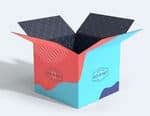








Every mailer box is made up of individual panels, flaps, and locking features that work together to create strong, protective packaging. While the finished box may look simple, every fold has a specific purpose—from supporting product weight to keeping the box securely closed during shipping.
Understanding the anatomy of a mailer box helps you make better packaging decisions, whether you're designing your first custom box, reviewing a dieline, or comparing different box styles. It also makes it easier to communicate with your packaging supplier when discussing dimensions, artwork placement, or structural modifications.
This guide breaks down the most common parts of a standard roll-end tuck-front (RETF) mailer box and explains how each contributes to durability, usability, and presentation.
Key Highlights
- Every mailer box is built from a combination of structural panels, flaps, and locking tabs.
- Each component serves a specific purpose, from supporting product weight to keeping the package securely closed.
- Features like dust flaps, roll-end flaps, locking tabs, and ear locks strengthen and secure the box without requiring tape or glue.
- Understanding each part makes it easier to customize artwork, choose the right box, and communicate with your packaging supplier.

The Anatomy of a Mailer Box
Although custom mailer boxes come in many sizes and styles, most follow the same basic structural design.
1. Lid (Top Panel)
The lid is the large panel that folds over the top of the box to protect its contents. Since it's the first surface customers see when they receive their order, it's also the most valuable branding area.
Many businesses use the lid to showcase their logo, brand colors, messaging, or printed graphics that create a memorable first impression during the unboxing experience.
What it does
- Protects the contents
- Covers the opening
- Provides the primary branding surface
- Creates a polished presentation
2. Front Panel
The front panel forms the front wall of the mailer box. It contains the opening that receives the tuck flap and helps distribute pressure across the front of the package.
Because this panel absorbs force whenever the box is opened or closed, it's designed to withstand repeated use without losing its shape.
What it does
- Supports the locking system
- Reinforces the front wall
- Maintains structural rigidity
- Helps keep the lid aligned
3. Back Panel (Hinge)
The back panel connects the lid to the base of the box, functioning as a built-in hinge.
Rather than separating completely from the box, the lid pivots along this fold line, allowing customers to open and close the package multiple times without damaging it.
A properly designed hinge also helps the lid sit flush when closed.
What it does
- Connects the lid and base
- Allows repeated opening and closing
- Adds structural support
- Keeps the lid properly aligned
4. Bottom Panel (Base)
The bottom panel forms the foundation of the mailer box and supports everything placed inside it.
A properly assembled bottom panel distributes weight evenly across the package, reducing sagging and helping the box maintain its shape throughout shipping and handling.
What it does
- Supports product weight
- Forms the base of the package
- Distributes weight evenly
- Works with the side panels for structural strength
5. Side Panels
The side panels form the left and right walls of the box.
Their height determines the interior depth, making them one of the most important dimensions when selecting a mailer box size. Together with the bottom panel, they create the primary structure that protects products during storage and shipping.
What they do
- Form the box walls
- Determine interior depth
- Support stacking strength
- Help absorb impacts during transit
6. Roll-End Flaps
Roll-end flaps fold inward during assembly to reinforce the front corners of the mailer box.
Instead of adding thicker material, they create multiple layers of corrugated board in areas that experience the most stress. This clever design improves strength while keeping the box lightweight.
Roll-end flaps are one of the defining characteristics of the popular Roll End Tuck Front (RETF) mailer box style.
What they do
- Reinforce the front corners
- Increase compression strength
- Help maintain the box's shape
- Improve shipping durability
7. Locking Tabs
Locking tabs are small extensions that fit into matching slots during assembly.
Although they're easy to overlook, these tabs are critical for holding the box together without glue or tape. They keep the roll-end flaps locked in place, and they speed up the packing process by allowing boxes to be assembled quickly by hand.
What they do
- Hold the box together
- Improve structural stability
- Prevent panels from shifting
- Speed up assembly
8. Dust Flaps
Dust flaps are the smaller flaps attached to each side of the lid. When the box is closed, they fold neatly inside the side walls.
Although they're often overlooked, dust flaps help reduce openings where dirt, dust, and debris could enter while also reinforcing the sides of the package.
They also contribute to the clean, finished appearance customers notice when opening the box.
What they do
- Help keep dust and debris out
- Reinforce the side walls
- Improve the appearance of the closed box
- Increase overall durability
9. Ear Locks
Ear locks are the small tabs at the front corners of the lid. When the lid is closed, they tuck into the slots in the side panels to lock the box shut.
This is what makes an RETF mailer self-locking. The box closes securely without tape, yet customers can open it easily and close it again if they need to.
What they do
- Secure the box closed
- Keep the lid from popping open in transit
- Eliminate the need for tape in many applications
- Make the box easy to reopen and reclose
How All the Parts Work Together
Each component of a mailer box is designed to perform a specific job, but the real strength comes from how these pieces work together.
The bottom panel supports the product's weight, while the side panels create rigid walls that resist crushing. Roll-end flaps double up the side walls, locking tabs hold everything securely in place without additional adhesives, and dust flaps help seal the interior. Finally, the lid's ear locks tuck into the side panels to create a dependable closure that protects the contents while delivering a polished presentation.
Together, these features create packaging that's durable enough for shipping, efficient to assemble, and attractive enough to enhance the customer experience.
Why Knowing the Parts Matters
Whether you're ordering stock packaging or designing a fully custom mailer box, understanding the different components helps you make smarter decisions.
Knowing the terminology allows you to:
- Review dielines with confidence
- Place artwork on the most visible panels
- Communicate clearly with your packaging supplier
- Understand how structural features affect durability
- Choose optional features that improve the customer experience
Even a basic understanding of mailer box anatomy can help you create packaging that's stronger, easier to assemble, and better aligned with your brand.
Frequently Asked Questions
A: On the Shipping Boxes page, add the relevant details including the quantity required through the online widget, and you can start working on your box through our online 3D design studio. Save and submit your work, and we get right into production.
Most standard mailer boxes include the same core components, such as the lid, side panels, bottom panel, ear locks, and locking tabs. However, specialty styles may add reinforced walls, extra locking mechanisms, tear strips, or other structural features designed for specific products or shipping requirements.
No single component provides all the strength. The bottom panel, side panels, and roll-end flaps work together to distribute weight and resist crushing, while locking tabs keep the structure securely assembled.
No. Most roll-end tuck-front mailer boxes are designed with integrated locking tabs and ear locks that allow them to be assembled and closed without tape. Some businesses may still use tape or labels as a tamper-evident seal during shipping.
A dieline is the flat template used to manufacture and print a mailer box. It shows every panel, fold line, cut line, flap, and tab before the box is folded into its final shape.
Yes. Most custom mailer boxes can be printed on the exterior, interior, or both, allowing businesses to add branding, messaging, instructions, or graphics throughout the packaging.
Final Thoughts
A mailer box is much more than folded corrugated cardboard. Every panel, flap, and tab is engineered to serve a specific purpose, whether that's supporting product weight, reinforcing the structure, improving usability, or creating a memorable unboxing experience.
Understanding the different parts of a mailer box gives you a stronger foundation for designing custom packaging that not only protects your products but also represents your brand. As you explore our other packaging guides, like Types of Mailer Boxes, this knowledge will make it easier to compare box styles, choose the right dimensions, and create packaging that performs as well as it looks.